Step 1 of 2

Choose how to publish your ranking

Included

The hosted destination on your domain: the ranking page ready to share, with your own votes.

A QR code that takes your audience to the ranking destination: made for TV, signage and screens.

The ranking embedded in an article on your site or app: your readers vote without leaving the page.

Included

The hosted destination on your domain: the ranking page ready to share, with your own votes.

  • Allow voting

    Your audience can vote for the participants in this ranking. It is independent of showing the vote count.

  • Show vote count

    Each participant shows how many votes they have received, even if voting is turned off.

  • Show position

    Each participant shows their position in the ranking. It does not change the list order.

Future transport technologies with the greatest impact on sustainable mobility in Spain

Vote for the future technology or mode of transport with the greatest capacity to reduce emissions and lead the decarbonization of transport in Spain.

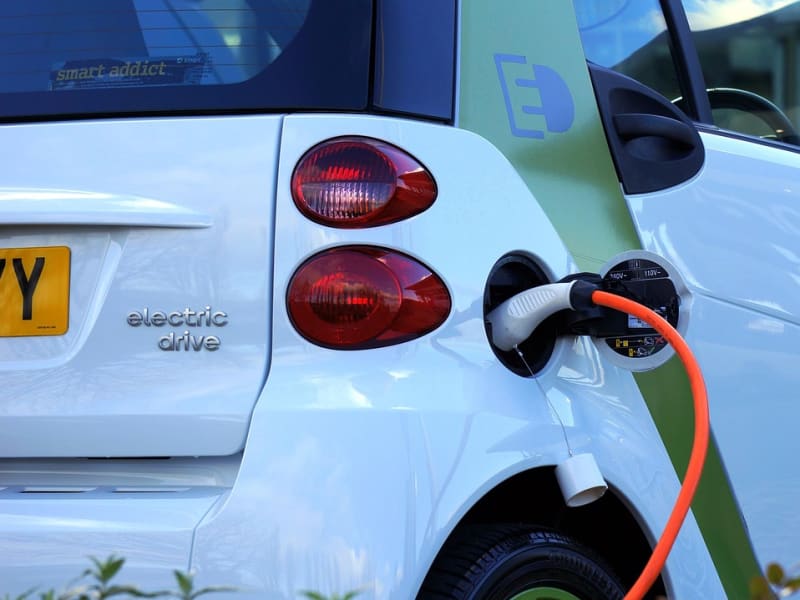
  1. Battery electric vehicles

    Close-up of white electric car charging photoVariousPhotographyPixabaypixabay

    1

    Battery electric vehicles

    A direct-emission-free propulsion system that replaces combustion engines with electric motors powered by grid-rechargeable batteries. It represents the primary driver of energy transition plans in Spain to drastically cut road transport emissions and decrease dependence on fossil fuels.
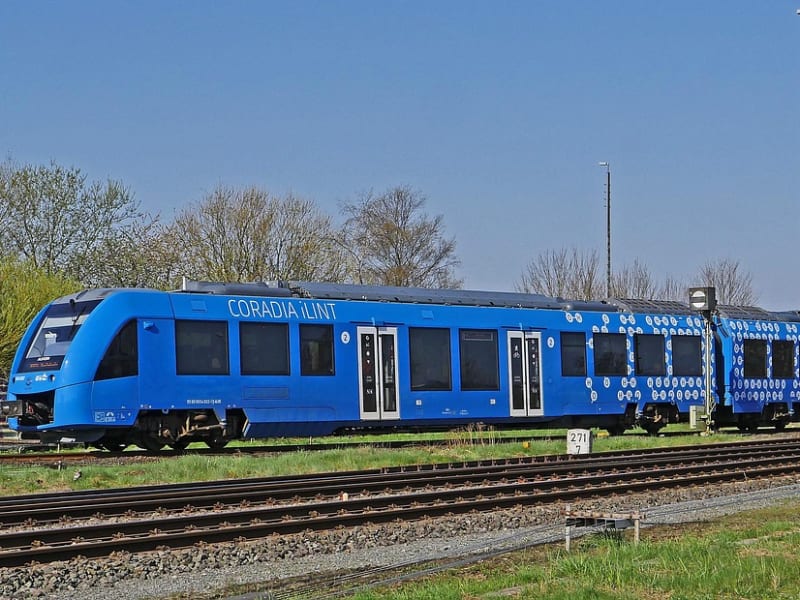
  2. Hydrogen fuel cell trains

    Blue hydrogen regional train, PhotohpgruesenPixabaypixabay

    2

    Hydrogen fuel cell trains

    Railway rolling stock that generates its own electricity on board by combining stored gaseous hydrogen with atmospheric oxygen in a fuel cell, designed for regional and medium-distance lines without catenary.

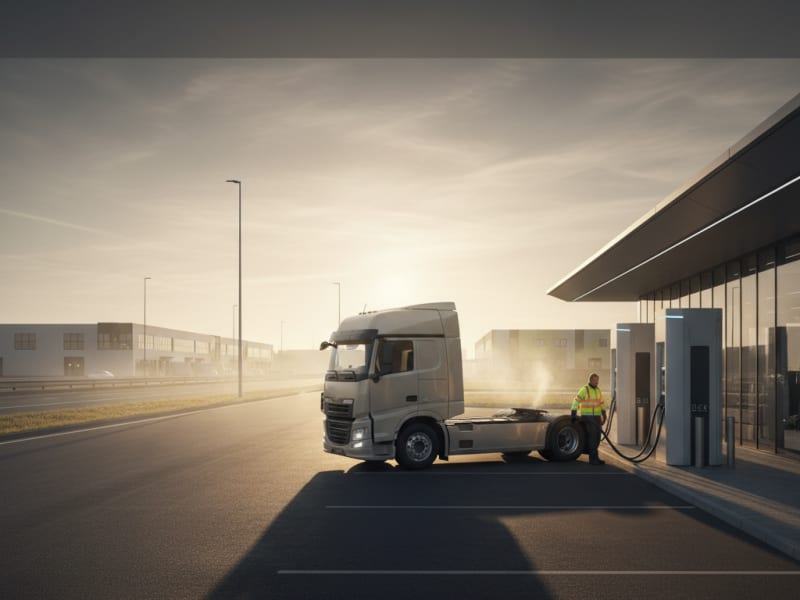
  3. Heavy-duty hydrogen fuel cell trucks

    Generated with AI

    3

    Heavy-duty hydrogen fuel cell trucks

    Heavy-duty freight transport vehicles powered by electricity generated by green hydrogen fuel cells, positioned as a key solution for decarbonising long-haul heavy transport thanks to their long range and short refuelling times.

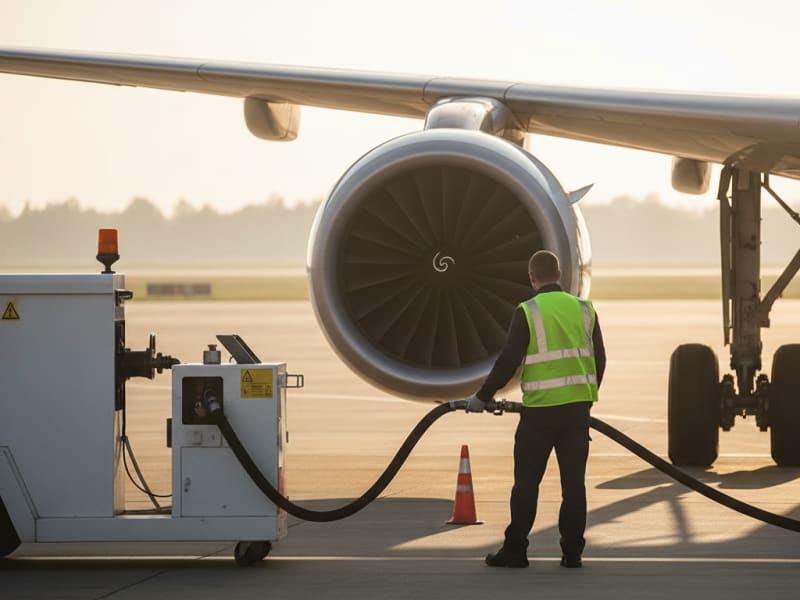
  4. Sustainable aviation fuels (SAF)

    Generated with AI

    4

    Sustainable aviation fuels (SAF)

    Renewable liquid aviation fuels derived from organic waste or through electrochemical synthesis using captured CO2 and green hydrogen, suitable for immediate use in conventional aircraft turbines.

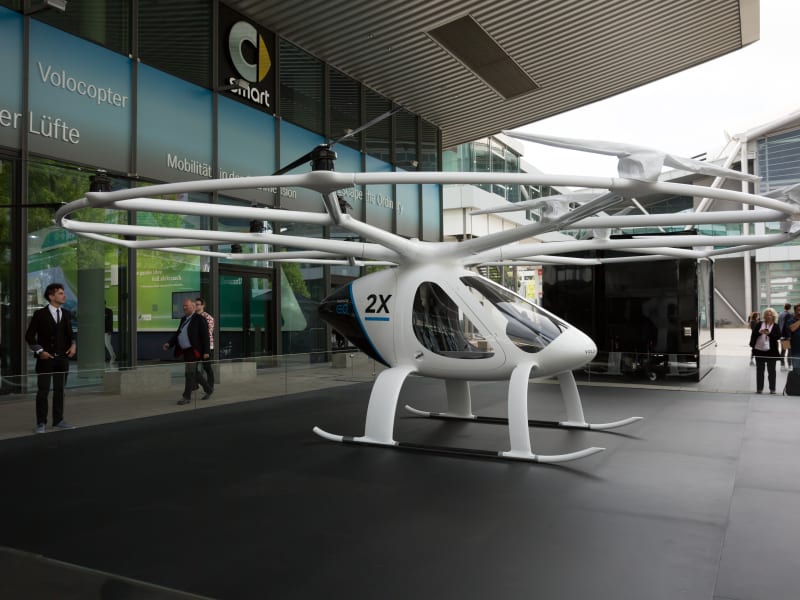
  5. Electric vertical take-off and landing aircraft (eVTOL)

    Volocopter,IAA 2017, Frankfurt (1Y7A1911)Matti BlumeWikimedia CommonsCC-BY-SA-4.0

    5

    Electric vertical take-off and landing aircraft (eVTOL)

    Light aircraft with distributed electric rotors designed to operate from urban or intercity vertiports, enabling short- and medium-distance flights with a low noise footprint and zero local emissions.

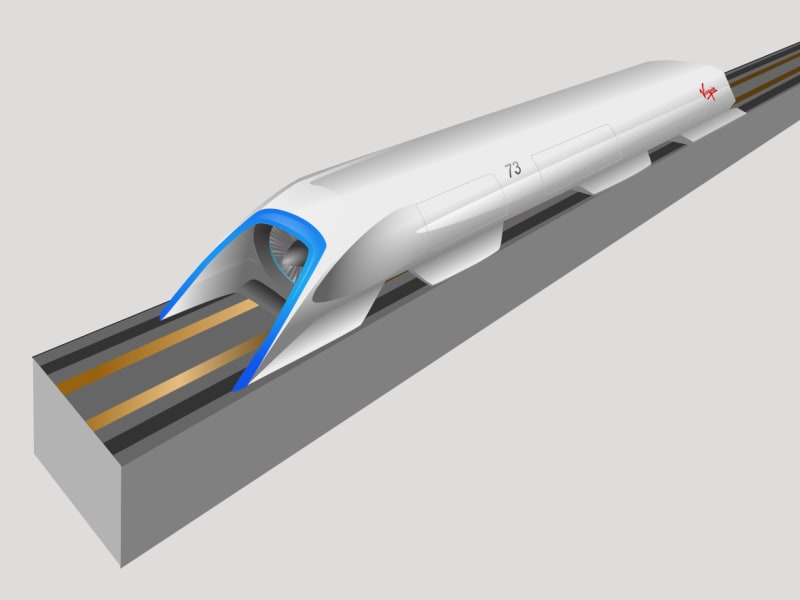
  6. Hyperloop

    Hyperloop no tubeCamilo SanchezWikimedia CommonsCC-BY-SA-4.0

    6

    Hyperloop

    An ultra-fast, fully electric ground transportation system guided through low-pressure tubes, designed to connect intercity corridors with zero direct emissions as an alternative to air routes, with research and development in Spain through projects such as Zeleros.

  7. Solid-state batteries

    Generated with AI

    7

    Solid-state batteries

    Electrochemical storage systems that use a solid inorganic electrolyte instead of flammable liquid compounds, offering higher volumetric density, fast charging, and greater thermal stability.

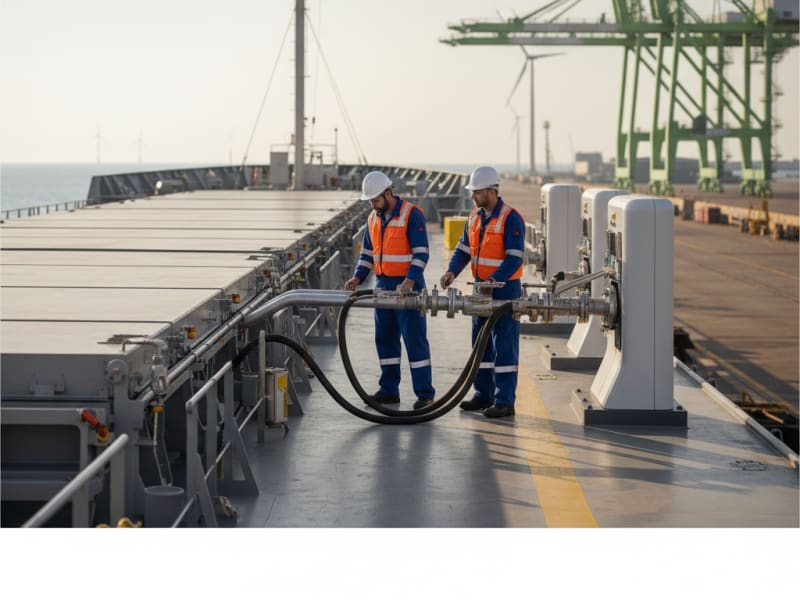
  8. Green methanol for maritime propulsion

    Generated with AI

    8

    Green methanol for maritime propulsion

    Liquid synthetic fuel produced from renewable hydrogen and captured carbon dioxide that replaces fuel oil in vessels with dual-fuel engines, key to decarbonizing trade routes and port activity in Spain.

  9. Hydrogen fuel cell urban buses

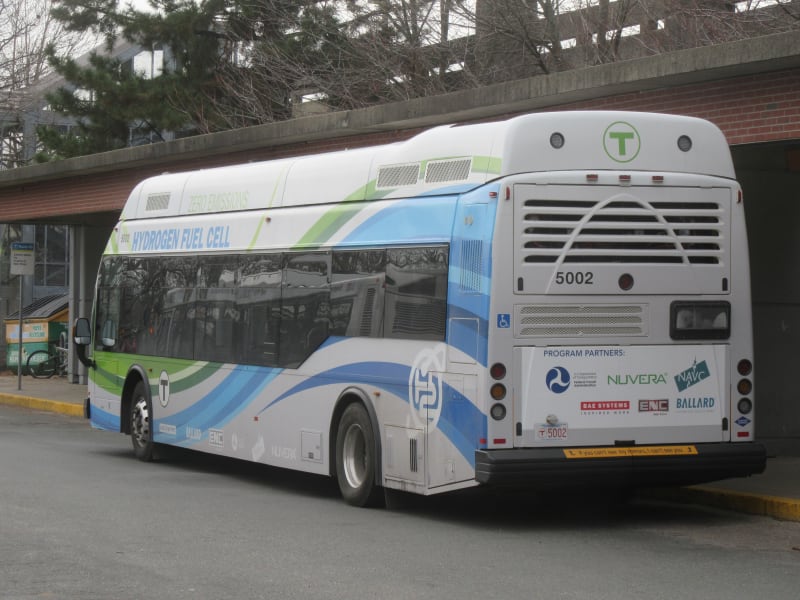
    Fuel cell test bus at Malden Center, December 2016Jason Lawrence from New YorkWikimedia CommonsCC-BY-2.0

    9

    Hydrogen fuel cell urban buses

    Surface public transport vehicles powered by hydrogen fuel cells and small buffer batteries, characterized by quiet operation, fast refueling, and emissions consisting solely of water vapor.

  10. Advanced biofuels (HVO100)

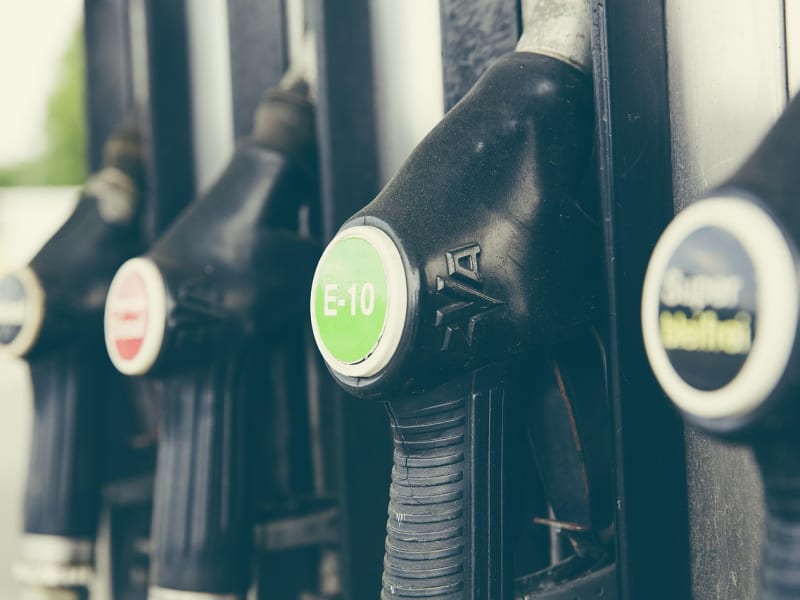
    Fuel pump nozzles at gas station close-up photomarkusspiskePixabaypixabay

    10

    Advanced biofuels (HVO100)

    Waste-derived hydrotreated vegetable oil that substantially reduces net emissions compared to conventional diesel, suitable for direct and immediate use in combustion engines of heavy-duty transport fleets without requiring mechanical modifications or changes to refueling networks.

  11. Shared electric micromobility

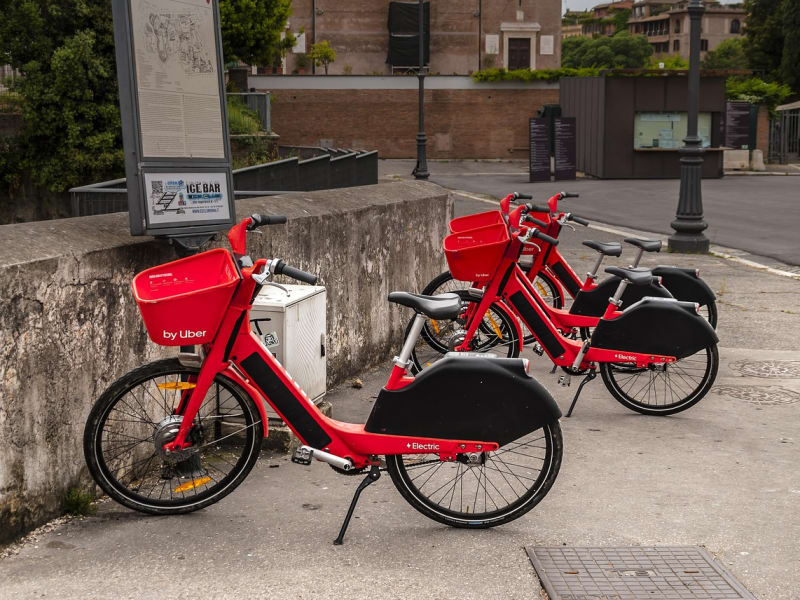
    Red shared electric bikes in the city, photoMrTozzoPixabaypixabay

    11

    Shared electric micromobility

    Shared fleets of electric-assist bicycles and personal mobility vehicles integrated into urban decarbonization policies, designed to address last-mile trips and connect major intermodal transport hubs.

  12. On-demand autonomous shuttles

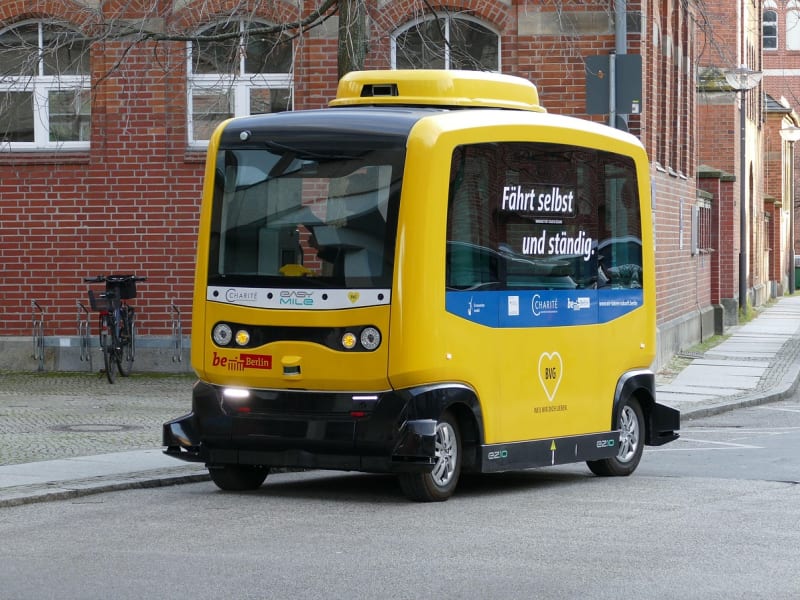
    Autonomous electric shuttle in Berlin PhotofalcoPixabaypixabay

    12

    On-demand autonomous shuttles

    Autonomous electric minibuses managed by digital on-demand collective transport platforms, designed to decarbonize the last mile and connect residential areas, industrial parks, and pedestrian environments, with pioneering pilot projects in Spain such as the regular service deployed at Mercamadrid within the European MobilitiesForEU project.

Request a demo

Tell us who you are and we'll show you how rankings fit your content.

I am